Children
Diarrhoeal disease, asymptomatic carriage and repeated infection during early life.
Project
GETcampy and the Campylobacter Control Campaign connect One Health sampling, genomic epidemiology, modelling and prevention.
Project passport
The programme studies childhood enteric disease alongside asymptomatic carriage and relevant household, livestock, food, water and environmental sources.
GETcampy established coordinated protocols and genomic sampling. CCC expands that foundation towards population annotation, source attribution, intervention modelling, training and prevention.
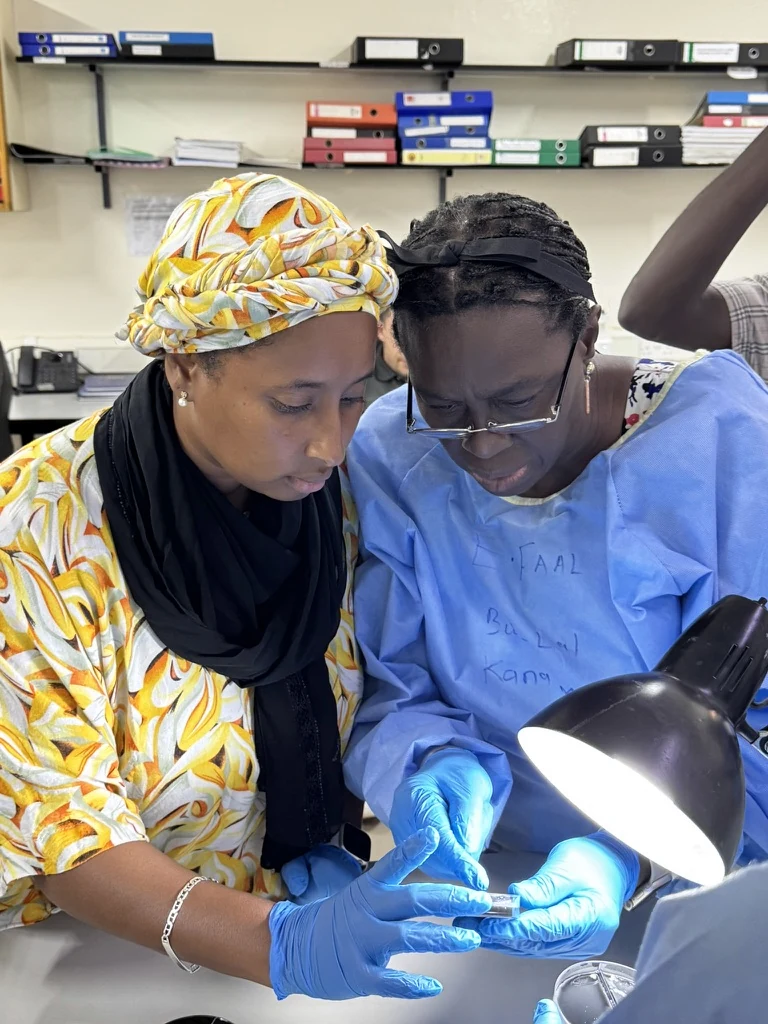
Study system
Diarrhoeal disease, asymptomatic carriage and repeated infection during early life.
Family members, surfaces, food preparation and shared environmental exposures.
Poultry and livestock populations embedded in local production and household systems.
Potential routes that connect otherwise separate host populations.
Leadership and funding
The Campylobacter Control Campaign is led by Professor Sam Sheppard and builds on the GETcampy-Africa programme.
Programme PI: Sam Sheppard, University of Oxford
Current major support: Wellcome
Foundation programme: MRC GETcampy-Africa
Open infrastructure
Shared laboratory and sequencing procedures support comparison across sites. Open nomenclature and linked metadata are intended to make bacterial populations interpretable across studies, outbreaks and surveillance systems.