Genomic epidemiology where data are scarce
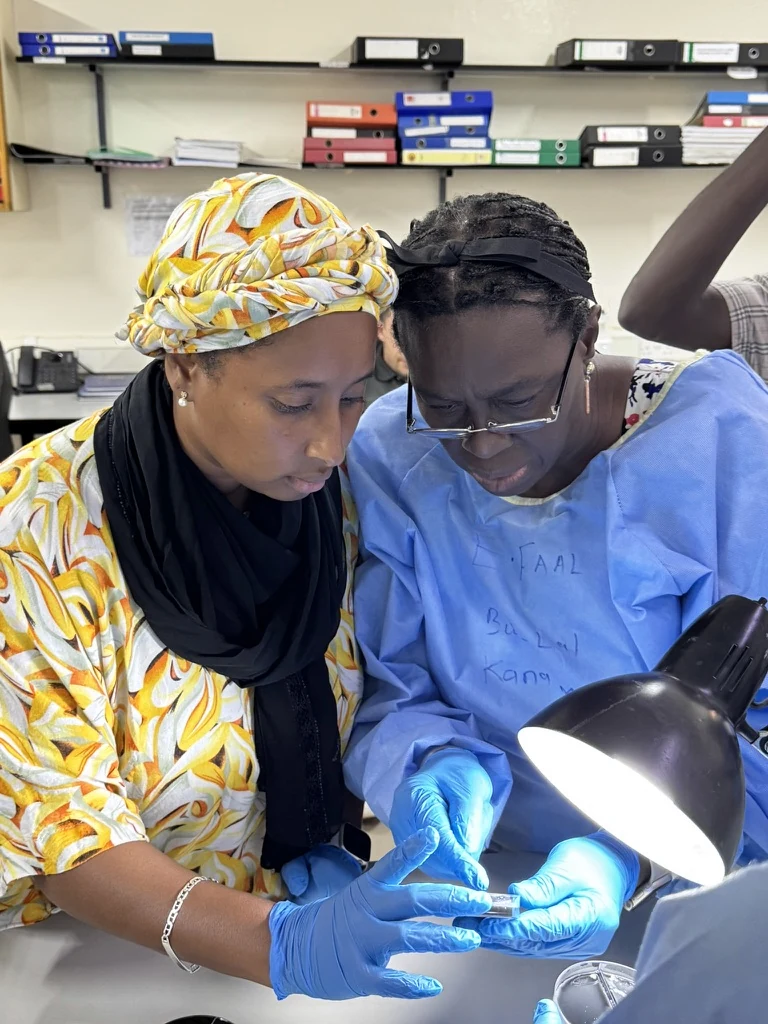
Working with partners across Africa, South America and Asia.
Ben Pascoe · Pathogen genomics & evolution
We use genomics, epidemiology and machine learning to study transmission, antimicrobial resistance and disease.
Research programme
Connecting bacterial evolution to surveillance and intervention.
Working with partners across Africa, South America and Asia.
Mutation, recombination and gene movement across populations.
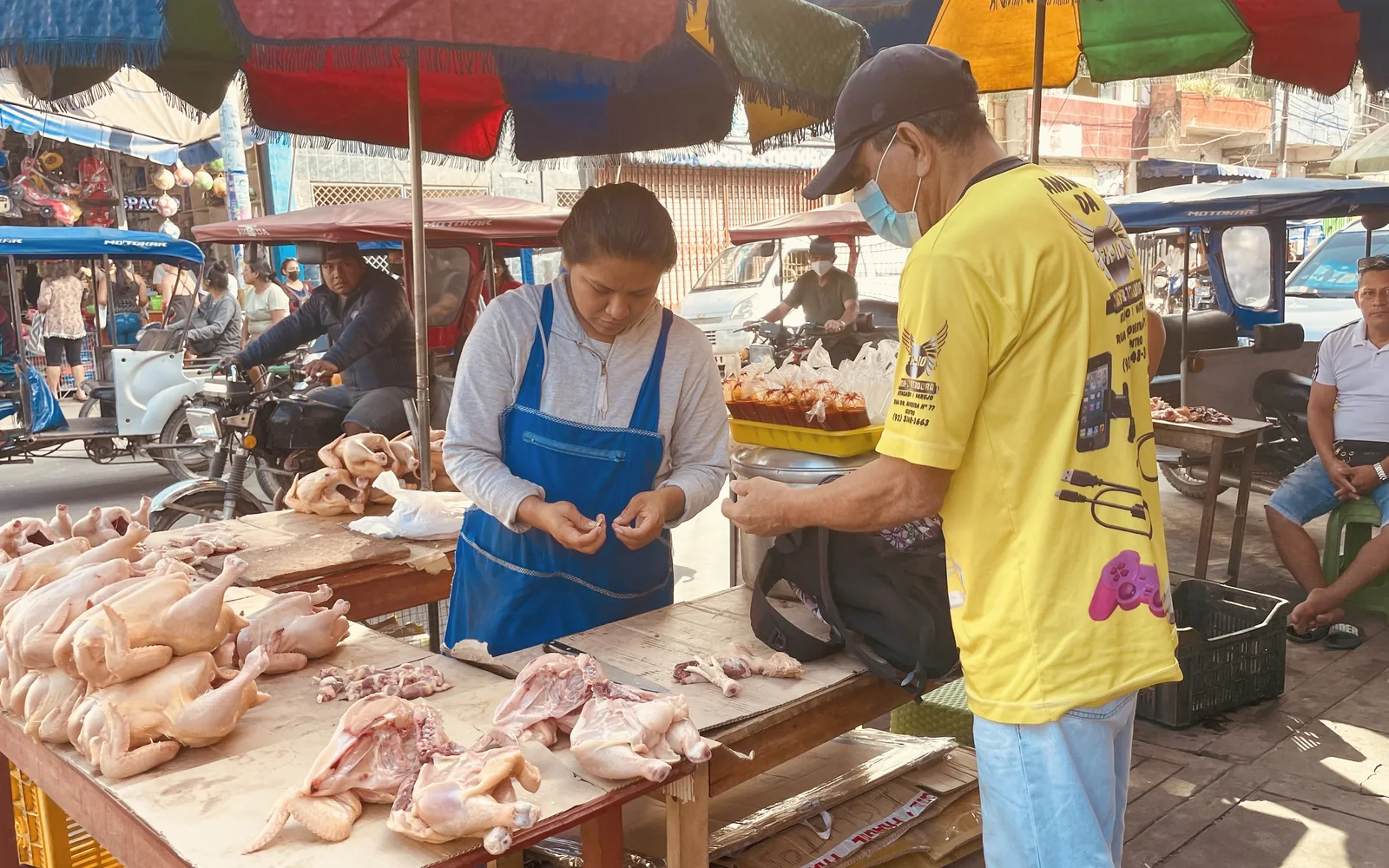
Across people, animals, food and environments.
Linking bacterial variation to carriage and disease.
Flagship projects

Coordinated sampling and genomics linking infection to household, animal, food and environmental reservoirs.
Project overview →
Connecting surveillance, source attribution, modelling, training and practical prevention.
Project overview →Metagenomics of microbial communities and resistance across migratory birds and human-influenced environments.
Project overview →How we work
Collaborative science
The aim is not simply to produce sequence data. It is to build evidence that represents the populations being studied and remains useful to the people and institutions who generated it.
Explore the global network
Selected work
Key papers are paired with short explanations and, where available, behind-the-paper stories.
Journal of Infection · 2024
National genomic surveillance used to estimate the relative contributions of poultry, cattle and other reservoirs.
mBio · 2025
Evidence that interspecies genetic exchange contributes to extensive drug resistance in infant and poultry isolates.
Metrics retained as a dated snapshot from the previous site; current profile links are on the publications page.
Stories & threads

How national genomic surveillance and machine learning can map likely infection origins.
Read story →
Why credible source attribution begins with study design rather than an algorithm.
Read field note →What urban-adapted birds reveal about human influence on microbial ecology.
Read story →People & supervision
Training is organised around intellectual independence, reproducible analysis, equitable collaboration and clear routes from question to publishable work.
Supervision and opportunitiesGlobal network
Explore project hubs, study settings, training links and long-term research relationships across the UK, Africa, South America and Asia.
Open the collaborator map