Start with the sampling frame
An attribution model cannot recover a reservoir that was never sampled.
One Health studies can become visually impressive collections of samples without becoming analytically coherent. The first task is to define the transmission system: the people at risk, the animals and foods they encounter, the water and environmental routes that connect them, and the timescale over which exposure changes.
GETcampy and CCC therefore treat sampling design as part of the analysis rather than a logistical prelude. Human cases are compared with asymptomatic carriage and with relevant household, animal and environmental sources. The aim is to capture the bacterial populations that could plausibly contribute to exposure in that place.
Why local context matters
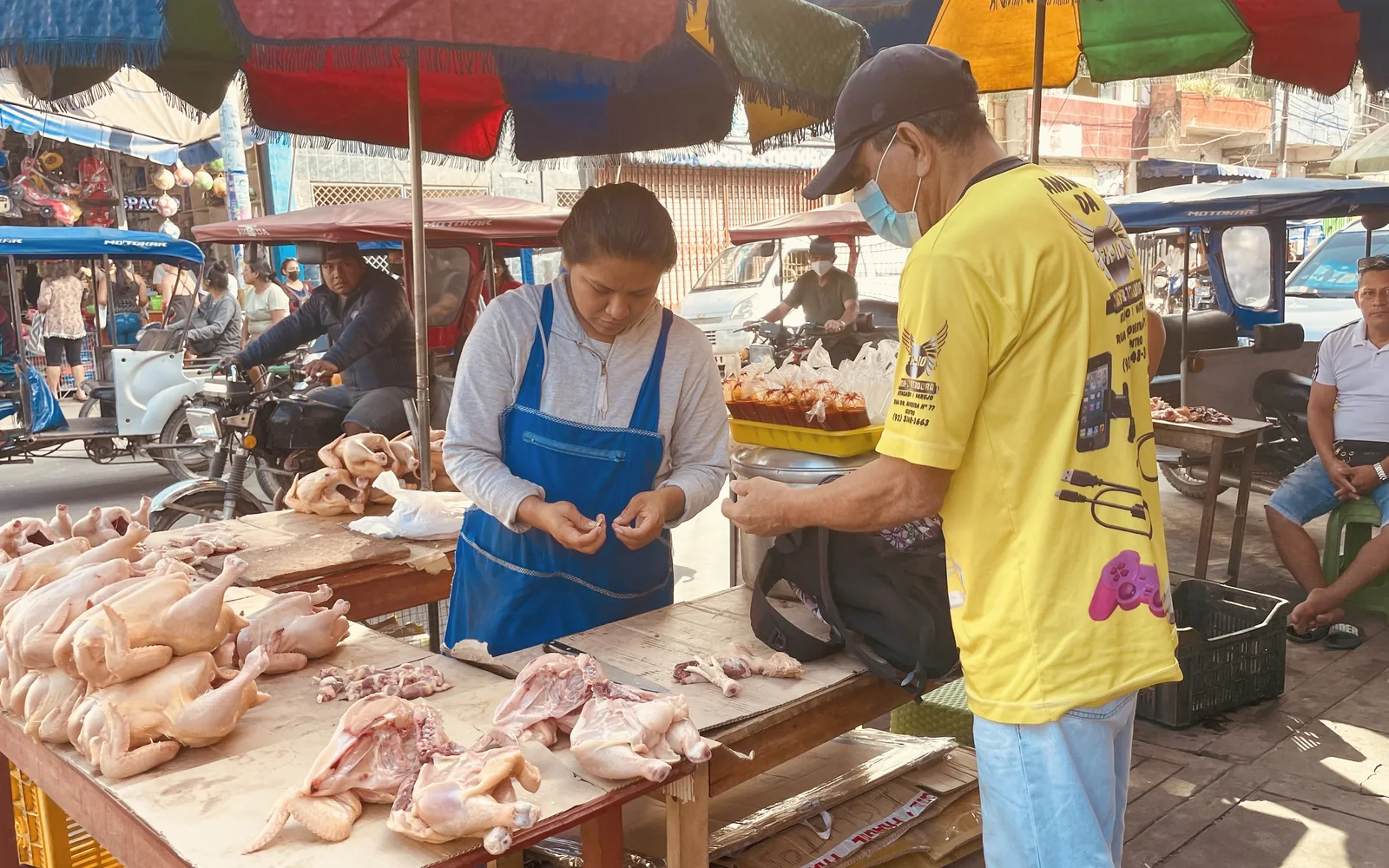
A poultry-associated lineage in one country may not have the same prevalence, production context or resistance profile elsewhere. Likewise, water, livestock and household exposure can differ substantially between urban and rural settings and between wet and dry seasons.
Representative local source genomes improve attribution models, but they also reveal what the model does not know. A human isolate that falls outside all sampled source populations should generate uncertainty, not forced confidence.
Field methods and genomic methods must agree
Comparable culture conditions, metadata, sample identifiers and sequencing procedures are essential. Small inconsistencies can create artificial differences between sites that later appear biological. Shared protocols therefore serve both quality assurance and collaboration: they make it easier to understand how each sample was generated and what comparison is valid.
Good genomic epidemiology begins before DNA extraction—with a sampling design that reflects the biology and the lives of the communities involved.
What comes next
The strongest output is not simply a phylogeny or a percentage attributed to poultry. It is a connected evidence chain from field observation to isolate, genome, population, model and intervention. CCC is designed to build that chain while retaining protocols, training resources and analytical capacity within the network.