Ben Pascoe · Global pathogen genomics & evolution

Genomes tell stories about where pathogens have been—and where they may go next.

We combine population genomics, epidemiology and machine learning to understand bacterial transmission, antimicrobial resistance and disease across human, animal and environmental systems.

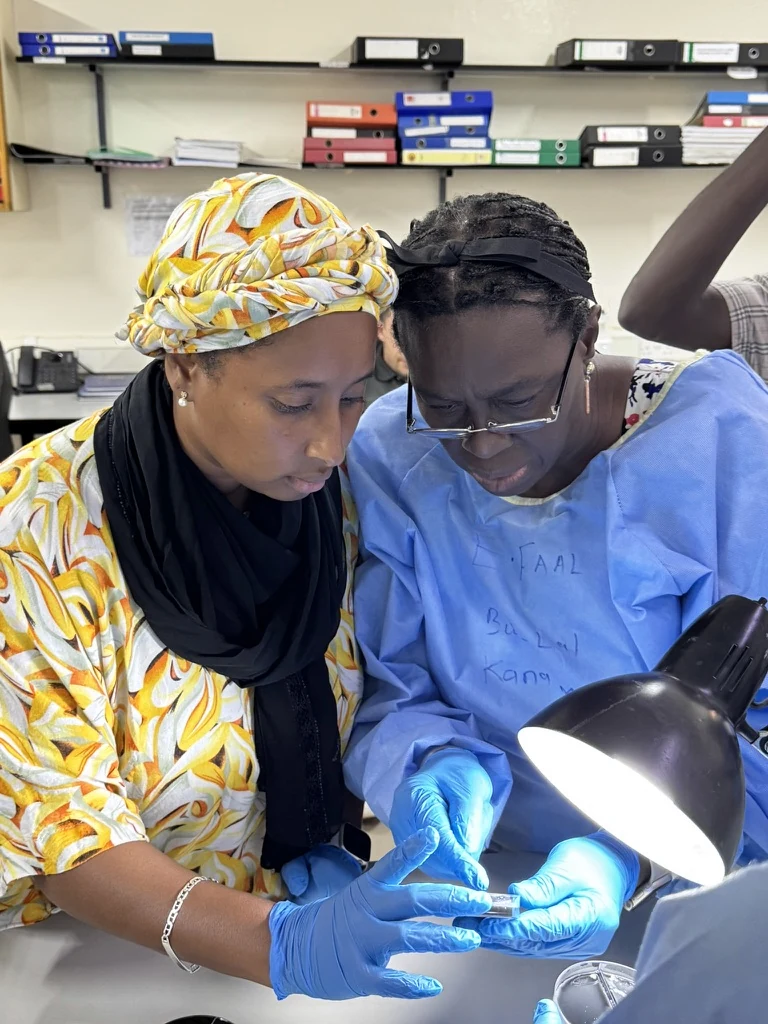
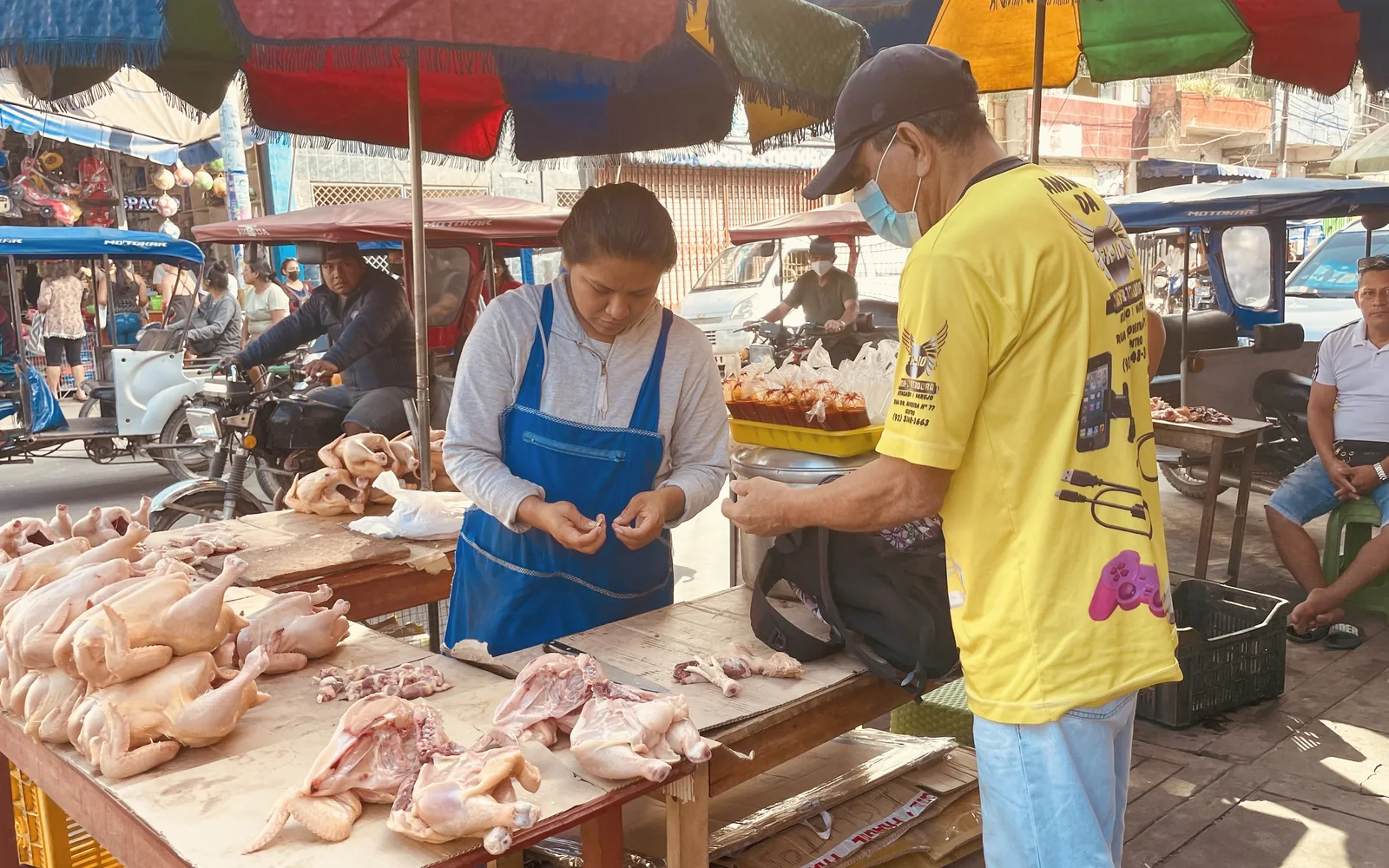
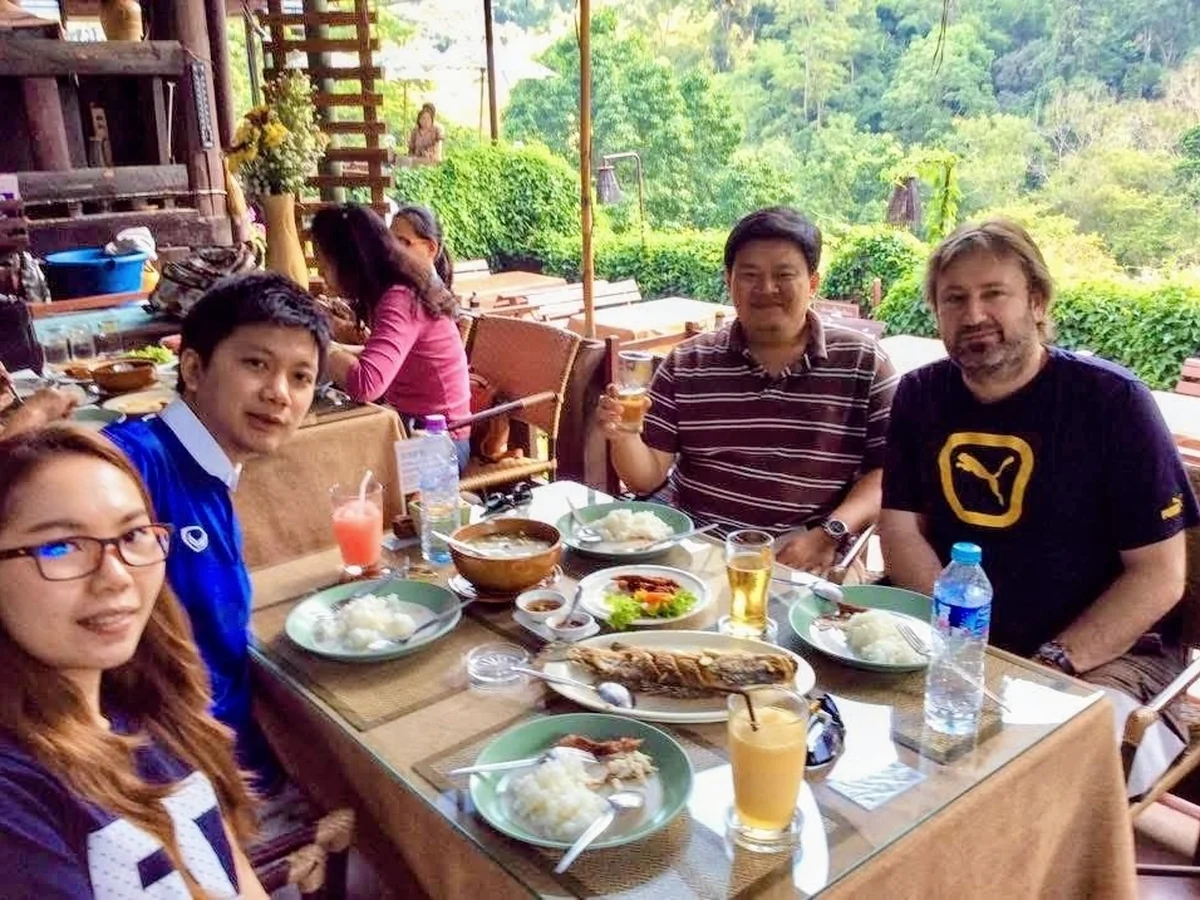
Collage showing a scientific presentation, sequencing samples, an international partner meeting and poultry-market fieldwork
Field systems · bacterial populations · public health
01

Research programme

From microbial populations to prevention.

Our work asks how bacterial lineages emerge, adapt, cross ecological boundaries and contribute to human disease—especially in settings that remain under-represented in global genomic datasets.

Global populations

Pathogen genomics where the data gaps are largest

Building locally grounded genomic epidemiology with collaborators across Africa, South America and Asia.

Evolution

How antimicrobial resistance emerges and spreads

Following mutations, recombination, mobile elements and ecological selection through bacterial populations.

One Health

Connecting people, animals, food and environments

Using genomes and source-attribution models to identify transmission routes that matter for intervention.

Disease outcomes

Why some lineages cause different forms of disease

Linking genotype, ecology, carriage, persistence and clinical outcomes at population scale.

02

Flagship projects

Long-term questions, built with international partnerships.

Presentation describing the GETCampy genomic epidemiology programme
GETcampy

Enteric disease genomics across One Health systems

Linking childhood infection to household, animal, food and environmental reservoirs through coordinated sampling and genomics.

Project overview →
Campylobacter Control Campaign consortium workshop
CCC

Campylobacter Control Campaign

Turning pathogen genomes, source attribution and intervention modelling into practical routes for prevention.

Project overview →
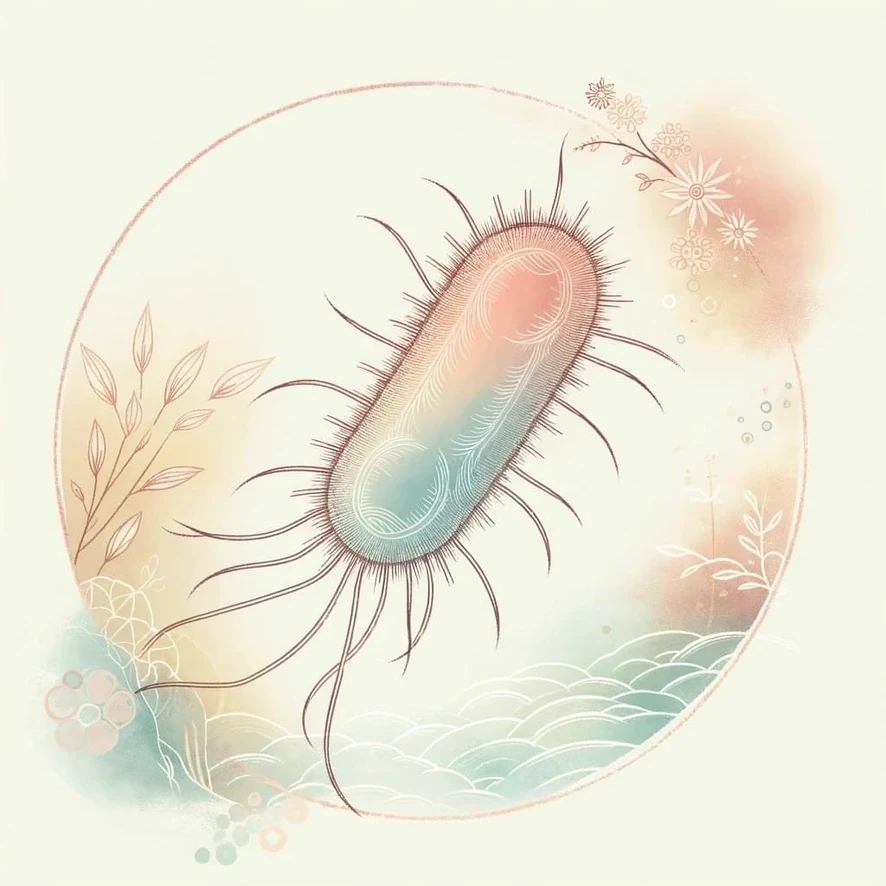
HU-RIZON wildlife, poultry and metagenomics illustration
HU-RIZON

Wildlife, poultry and the movement of AMR

Metagenomic investigation of microbial communities and resistance across migratory birds, poultry and human-influenced environments.

Project overview →
03

Field to laboratory

Research is a collective practice.

Sampling design, laboratory methods, analysis and interpretation are developed with local partners—not exported as a finished package.

International research group at a scientific meeting
Consortium workshop · The Gambia
Prepared sequencing-library tubes in a laboratory rack
Laboratory practical
Poultry-market sampling in a busy urban setting
One Health field context
04

Selected outputs

A curated route into the publication record.

The full publication list remains available one level deeper, while this page foregrounds papers that best explain the programme.

106publications
41H-index
83i10-index
4,835citations

Metrics reproduced from the previous site as a dated snapshot; live profiles are linked on the publications page.

Campylobacter · source attribution

Machine learning to attribute the source of Campylobacter infections in the United States

Journal of Infection · 2024

National genomic surveillance used to estimate the relative contributions of poultry, cattle and other reservoirs.

AMR · Peru

Sharing of cmeRABC alleles between C. coli and C. jejuni

mBio · 2025

Evidence that interspecies genetic exchange contributes to extensive drug resistance in infant and poultry isolates.

05

Stories

Behind the figures, papers and fieldwork.

Longer-form explanations, project notes and archived social-media threads make the work accessible beyond the abstract.

Behind the paper

Attributing the source of Campylobacter infections

How 25,000+ genomes and machine learning were used to map the likely origins of US infections.

Read story →
Field setting in The Gambia
Field note

Sampling an interconnected One Health system

Why children, households, animals, food and water need to be studied together.

Read field note →
Behind the paper

Wild birds and the rise of resistance

What urban-adapted birds reveal about human influence on microbial ecology and AMR.

Read story →

Global network

Collaborations are part of the research design.

Explore project hubs, study settings, training links and long-term research relationships across the UK, Africa, South America and Asia.

Open the collaborator map
Abstract network map

People & supervision

Training researchers to ask ambitious, answerable questions.

Supervision is organised around intellectual independence, reproducible analysis, equitable collaboration and a clear path from biological question to publishable work.

Supervision and opportunities

Potential student directions

  • One Health movement of AMR across wildlife, poultry and people
  • Asymptomatic carriage and childhood enteric disease
  • Metagenomics, MAGs and population genomics
  • Machine-learning source attribution